Why Custom Homes Should Always Be Built by Qualified Home Builders
Building a custom home allows homeowners to shape their property around their lifestyle, preferences, and long-term goals. However, achieving that level of personalization requires more than choosing attractive finishes or an appealing floor plan. The quality of the finished home depends heavily on the knowledge, planning, coordination, and craftsmanship brought to the construction process.
According to Eye on Housing, custom homes account for nearly 19% of new single-family homes in the United States. This significant share reflects the demand for residences designed around individual needs rather than standardized layouts. Choosing qualified custom home builders helps ensure that those individual plans are translated into a well-constructed home through careful project management and attention to detail.
Planning Every Detail With Professional Expertise
Developing a Practical Home Design
A custom home starts with a vision, but turning that vision into a functional residence requires careful planning. Qualified custom home builders can help homeowners evaluate how different layouts, room dimensions, architectural features, and exterior elements will work together. Instead of simply following a set of preferences, an experienced builder considers how those choices affect the structure, usability, construction process, and overall character of the property.
This planning stage is also an opportunity to address the practical details that can influence everyday life. Homeowners may want a spacious kitchen for entertaining, additional bedrooms for a growing family, dedicated office space, or an outdoor living area. Professional guidance can help organize these priorities into a cohesive design that fits the property and supports the way the household intends to use the home.
Evaluating the Building Site
The land itself plays an important role in determining how a custom home should be designed and constructed. Terrain, drainage, soil conditions, setbacks, access, utilities, and local requirements can all affect the project. Qualified custom home builders understand that a floor plan that looks ideal on paper may require modifications once the characteristics of the property are considered.
Experienced professionals can also help homeowners recognize potential complications before construction begins. Proper site evaluation can influence the placement of the home, foundation requirements, grading, drainage solutions, and other elements that affect the project's scope. Addressing these factors early can reduce avoidable complications later in construction and help create a stronger foundation for the entire project.
Coordinating Permits and Preparations
Building a home involves substantially more than construction work at the jobsite. Permits, inspections, schedules, materials, subcontractors, and other administrative details must be coordinated throughout the project. Qualified custom home builders can manage these responsibilities as part of an organized construction process, giving homeowners a clearer understanding of what needs to happen before and during each stage.
Experienced project management is particularly valuable because construction phases are interconnected. Delays involving one part of the project can affect subsequent work, deliveries, and scheduling. A professional team can establish a realistic timeline, coordinate different trades, monitor progress, and communicate important updates so the homeowner is not left trying to manage every moving part independently.
Protecting Quality Through Skilled Construction
Applying Proper Construction Practices
A custom design only delivers its intended benefits when it is constructed correctly. Qualified custom home builders bring experience to the physical aspects of construction, from framing and roofing to siding, interior work, and finishing details. Their knowledge helps ensure that the work follows established construction practices while remaining consistent with the plans developed for the property.
Attention to craftsmanship also matters because individual components need to function together as a complete structure. Walls, floors, windows, doors, roofing systems, and other features must be installed with consideration for the home's design and construction requirements. Careful workmanship can contribute to a finished residence that looks cohesive while providing the durability and functionality homeowners expect from a newly constructed property.
Selecting Appropriate Materials
Material selection is another area where professional guidance can make a meaningful difference. Homeowners may have preferences for certain flooring, countertops, windows, siding, roofing materials, cabinetry, or fixtures, but every selection should also be evaluated according to its intended application. Qualified builders can help explain the practical considerations associated with different materials and finishes.
Experienced builders can also help coordinate material selections so that appearance, performance, maintenance requirements, and budget remain aligned. This is especially important in a custom project, where numerous individual choices must work together. Thoughtful material planning can help prevent mismatched selections and ensure that the finished home reflects the homeowner's preferences without overlooking important construction considerations.
Maintaining Consistent Quality Control
Quality control should continue throughout construction rather than being treated as a final inspection. Qualified professionals monitor the work as different stages are completed, allowing potential concerns to be addressed before they affect subsequent portions of the project. Regular site oversight can be particularly important when multiple trades contribute to the construction of a single residence.
A builder with extensive experience also understands the importance of communication during this process. Homeowners should have opportunities to discuss questions, review decisions, and receive updates as the project progresses. A collaborative approach can make it easier to identify changes or concerns while they can still be incorporated efficiently, rather than discovering them after construction has advanced.
Creating a Home That Fits the Homeowner
Customizing Interior Living Spaces
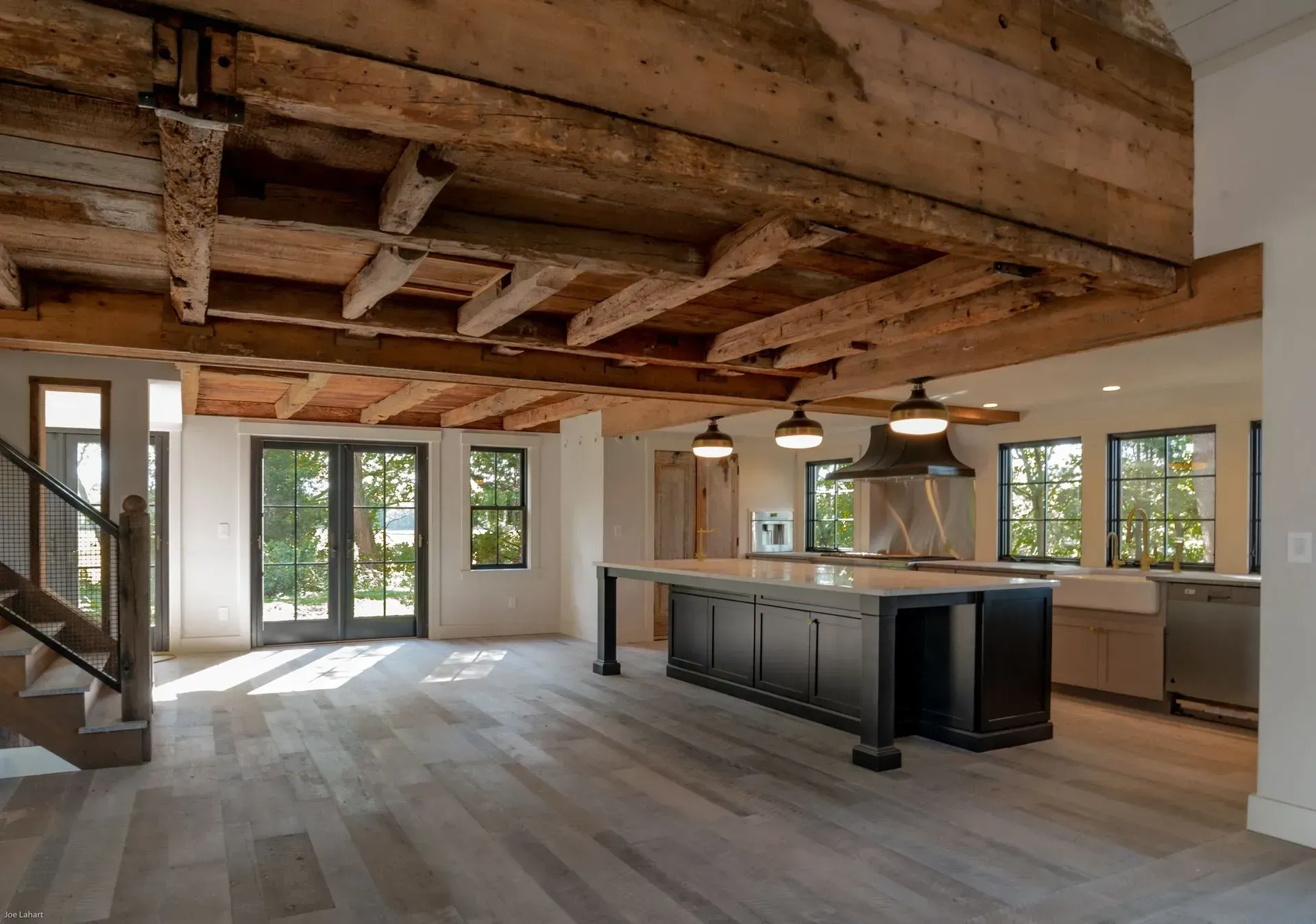
One of the primary reasons people choose custom construction is the ability to create spaces around their actual routines. Qualified custom home builders can work with homeowners to customize kitchens, bathrooms, bedrooms, living rooms, garages, and other areas according to specific needs. Room sizes, traffic patterns, storage, lighting, and finishes can all be considered as part of a larger design.
This flexibility allows the home to accommodate priorities that may be difficult to achieve in an existing property. A homeowner who enjoys entertaining might emphasize an expansive kitchen and connected living areas, while another household may prioritize quiet rooms, additional storage, or flexible spaces that can change purposes over time. Professional planning helps turn those preferences into practical features rather than isolated design choices.
Balancing Appearance and Function
A beautiful home should also work well for the people living in it. Qualified custom home builders understand the importance of balancing architectural character with everyday functionality. Elements such as room placement, window locations, circulation paths, storage areas, exterior access, and transitions between spaces can influence how comfortable and convenient the finished home feels.
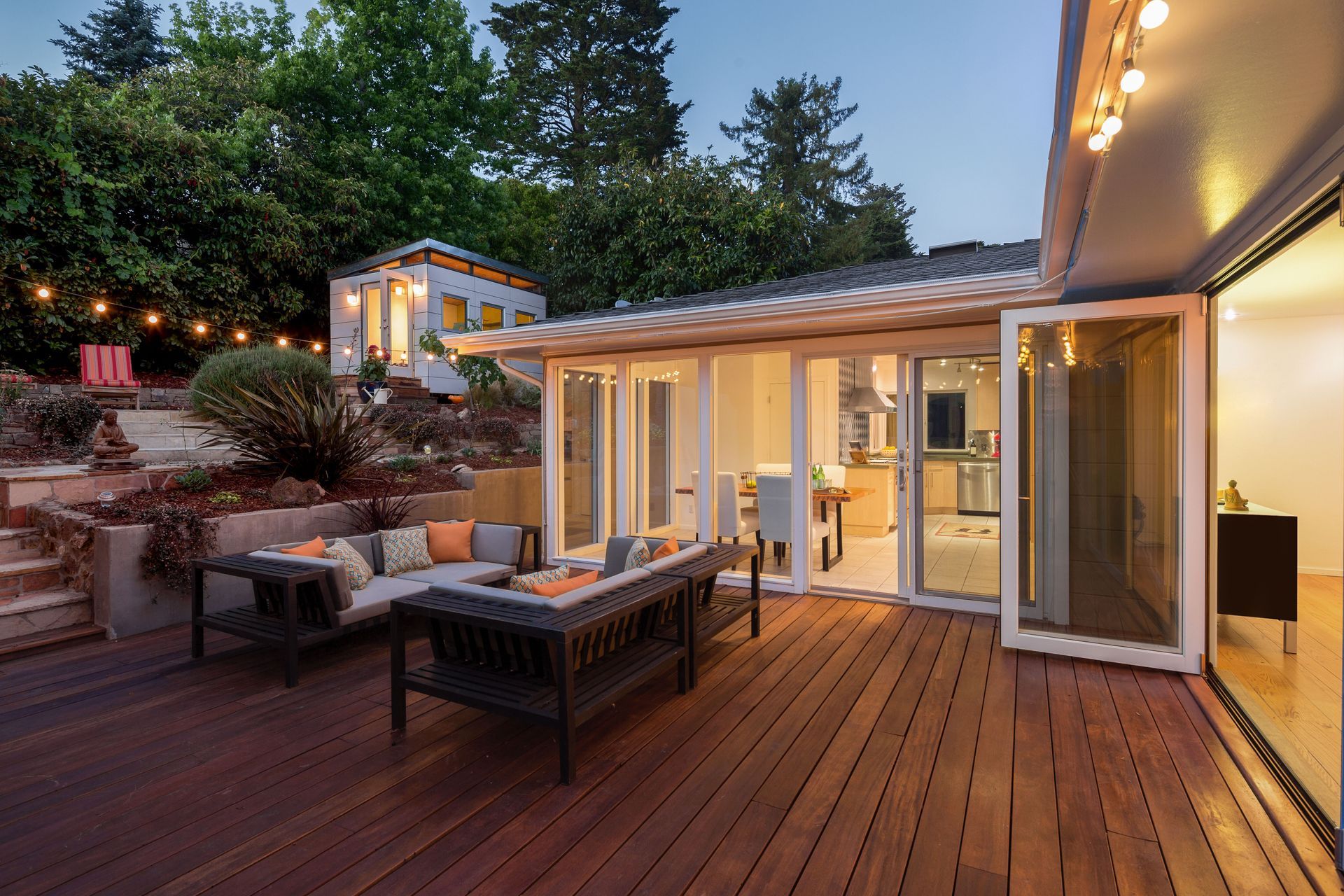
Homeowners can also select an architectural style that reflects their preferences while considering how the design fits its surroundings. Whether the goal is a coastal-inspired retreat, a traditional residence, or a contemporary home, professional construction expertise helps maintain consistency between the overall architectural concept and the individual details. The result can feel personalized without sacrificing practical considerations.
Building for Changing Needs
A well-planned custom home should account for more than immediate preferences. Families may change, hobbies may evolve, and the way different rooms are used can shift over time. Qualified
custom home builders can help homeowners consider flexibility during the design stage, whether that means incorporating adaptable rooms, additional storage, accessible layouts, or spaces that can serve multiple purposes.
This forward-looking approach can make the property more useful as circumstances change. It can also help homeowners avoid designing a residence around temporary needs that may quickly become outdated. By considering both current priorities and potential future uses, professional builders can help create a home that remains functional while preserving the personalized qualities that made custom construction appealing in the first place.
Building a custom home is a major undertaking that requires careful decisions from the earliest planning stages through the final walkthrough. Choosing qualified professionals provides homeowners with experienced guidance for design development, site considerations, permitting, scheduling, material selection, construction, and quality control. The right team can also maintain open communication throughout the project, helping homeowners understand important decisions and keep the finished residence aligned with their original goals.
Contact Pinsonneault Builders today to start planning a home professionally designed around your vision, lifestyle, and needs.




Share On: