How a Custom Home Can Be Designed Around Your Lifestyle
Designing a home from the ground up gives homeowners the rare opportunity to create a living space that truly reflects their daily habits, personal preferences, and long-term goals. Instead of adapting to the layout and limitations of an existing property, a custom home allows every room, feature, and detail to be thoughtfully planned around the people who will live there. From layout choices to material selections, building a home from scratch opens the door to endless possibilities.
When homeowners choose to build a custom home, they are not just constructing a building. They are shaping an environment that supports how they work, relax, entertain, and spend time with family. According to HomeAdvisor, building a house usually takes four to 12 months, which means careful planning plays a major role in ensuring the final result aligns with a homeowner's lifestyle. With the right design approach, a custom home can become a space that improves everyday living in meaningful ways.
Understanding Your Daily Routine
Designing a custom home often begins with evaluating how a household functions on a typical day. Morning routines, work schedules, and evening activities all influence how different spaces should be arranged. For example, families with busy mornings may benefit from larger mudrooms, multiple bathroom spaces, or kitchen layouts that allow several people to move around comfortably at the same time.
When homeowners analyze their routines early in the planning process, they can design rooms that support efficiency and comfort. A custom home might include built-in storage near entryways, laundry rooms positioned close to bedrooms, or open living areas that make family interaction easier. By prioritizing daily habits, the finished home becomes a space that naturally fits the flow of everyday life.
Creating Flexible Living Spaces
Modern households often require rooms that can serve multiple purposes. A custom home offers the flexibility to design areas that adapt as needs change over time. Instead of dedicating rooms to a single use, homeowners can create spaces that support work, relaxation, and entertainment without feeling cramped or disorganized.
For instance, a spare bedroom might double as a home office or study area, while a finished basement could serve as a media room, playroom, or fitness space. Designing with flexibility in mind ensures that a custom home remains functional even as families grow or lifestyles evolve. This approach helps homeowners avoid the limitations often found in traditional floor plans.
Designing a Kitchen That Matches Your Habits
The kitchen is often considered the heart of the home, which makes it one of the most important areas to personalize during the design process. A custom home allows homeowners to tailor the kitchen layout to match their cooking habits, entertaining preferences, and storage needs. Instead of working around a pre-existing layout, everything can be arranged for maximum efficiency.
Some homeowners prioritize large islands for gathering and casual meals, while others focus on additional counter space for cooking and food preparation. Walk-in pantries, custom cabinetry, and carefully placed appliances can all improve how the kitchen functions on a daily basis. Designing the kitchen around real habits ensures the space remains both practical and enjoyable for years to come.
Incorporating Dedicated Workspaces
As remote work and hybrid schedules continue to grow in popularity, many homeowners are including dedicated workspaces in their home designs. A custom home allows for offices that provide privacy, comfort, and productivity without disrupting other areas of the house. Instead of working at the kitchen table or in a shared room, homeowners can enjoy a professional environment tailored to their needs.
These workspaces might include built-in shelving, sound insulation, and natural lighting that support focus throughout the day. Some homeowners also include secondary work areas for studying, creative projects, or household management. By incorporating thoughtfully designed workspaces, a custom home can support modern professional lifestyles.
Designing Comfortable Gathering Areas
Many homeowners prioritize spaces where friends and family can gather comfortably. When building a custom home, living rooms, dining areas, and outdoor spaces can all be designed with entertaining in mind. Larger seating areas, open floor plans, and connected indoor-outdoor layouts allow hosts to accommodate guests more easily.
These gathering spaces often become the center of social activity within a home. Whether it is a casual weekend gathering or a holiday celebration, a well-designed living area can make entertaining far more enjoyable. Custom layouts allow homeowners to create spaces that feel inviting while still maintaining practical flow between rooms.
Personalizing Bedrooms for Comfort and Privacy
Bedrooms should serve as relaxing retreats where homeowners can unwind at the end of the day. A custom home allows for personalized bedroom layouts that prioritize comfort and privacy. Larger primary suites, walk-in closets, and thoughtfully positioned windows can all contribute to a more peaceful environment.
Some homeowners also include sitting areas, private balconies, or customized storage solutions within bedroom spaces. These features transform bedrooms into personal retreats rather than simply places to sleep. By tailoring bedroom designs to personal preferences, a custom home can provide a stronger sense of comfort and relaxation.
Enhancing Outdoor Living Opportunities
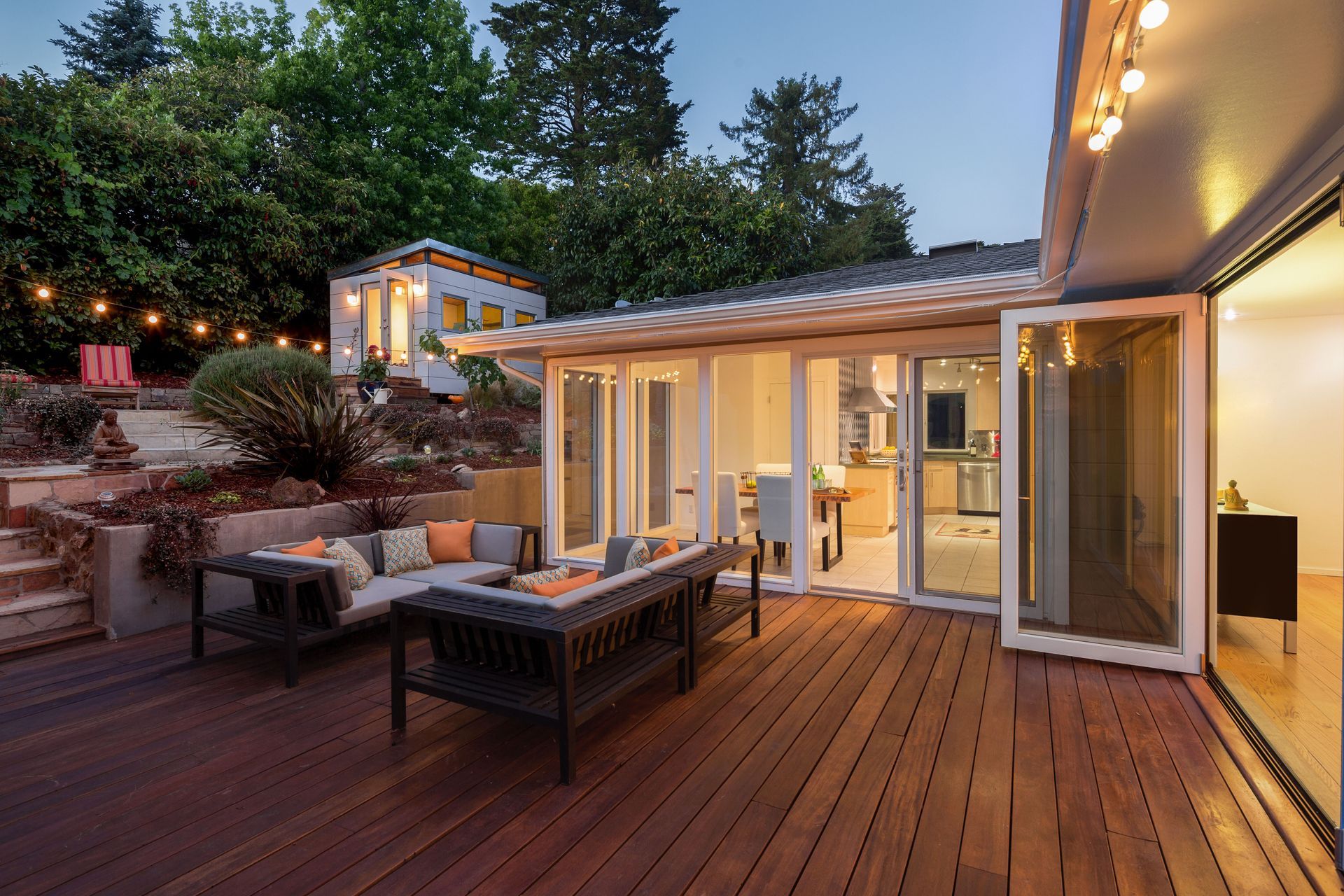
Outdoor areas have become increasingly important for homeowners who want to enjoy fresh air and natural surroundings. A custom home can incorporate outdoor living spaces that extend the functionality of the interior. Patios, decks, and covered seating areas allow homeowners to relax, entertain, or dine outdoors comfortably.
Outdoor kitchens, fire pits, and landscaped gathering areas are also becoming popular additions. These features create inviting environments that encourage homeowners to spend more time outside. When outdoor spaces are designed alongside the home itself, they feel like natural extensions of the interior layout.
Planning for Storage and Organization
Many older homes lack the storage capacity needed for modern households. Designing a custom home allows homeowners to incorporate storage solutions that keep living spaces organized and clutter-free. From walk-in closets to built-in shelving, thoughtful storage planning can dramatically improve how a home functions.
Storage features might include larger pantries, dedicated equipment closets, or hidden compartments for seasonal items. Garages can also be designed with additional storage systems that keep tools and outdoor gear neatly organized. By addressing storage needs early in the design process, homeowners can avoid common frustrations found in traditional layouts.
Choosing Materials That Reflect Personal Style
Another advantage of building a custom home is the ability to choose materials that reflect personal style and long-term durability preferences. Instead of settling for builder-grade finishes, homeowners can select flooring, cabinetry, fixtures, and exterior materials that match their vision for the property.
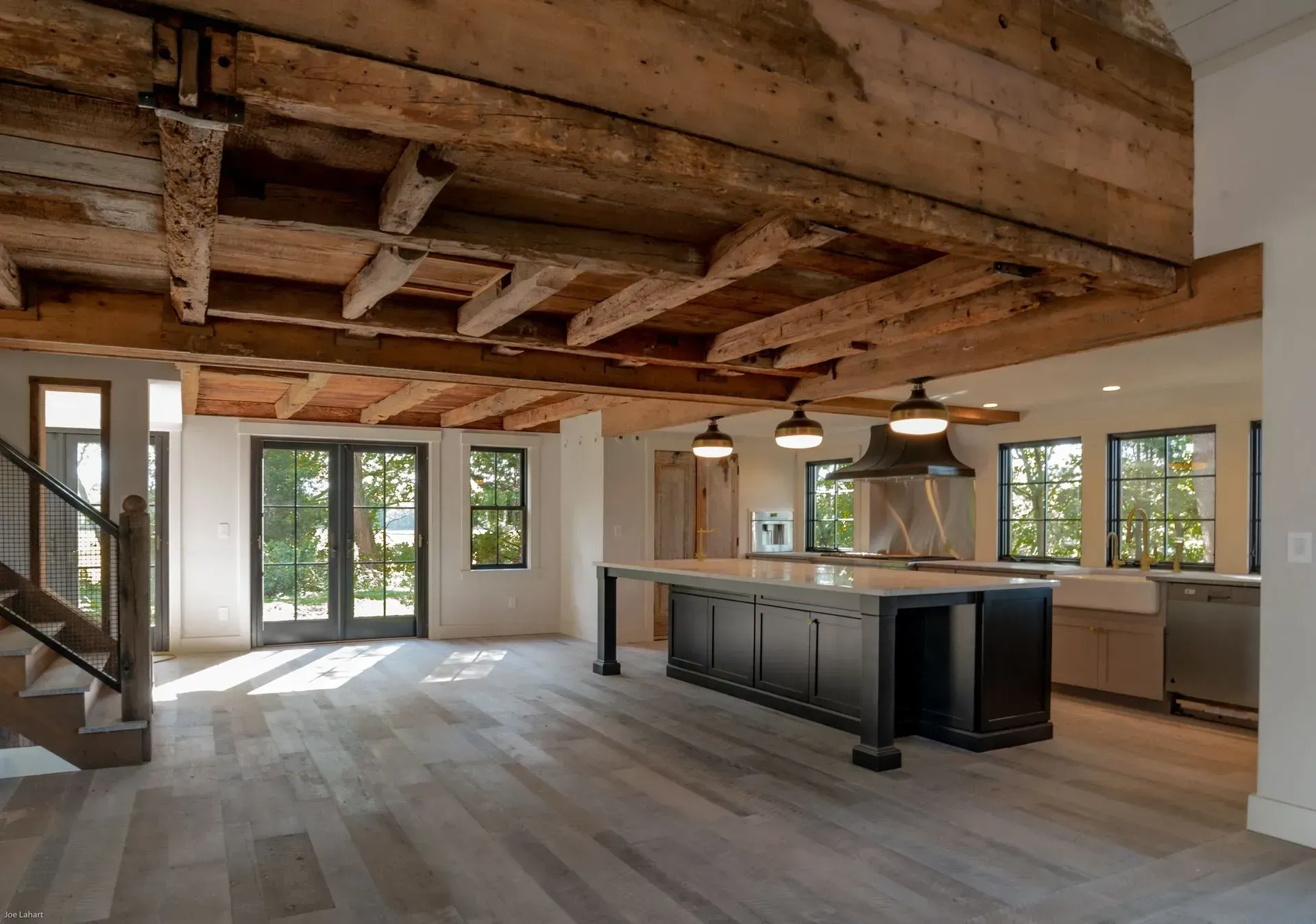
Natural wood accents, stone surfaces, and unique architectural details can all help give a home a distinctive character. At the same time, durable materials help ensure the home remains functional and attractive for many years. Careful material selection allows homeowners to balance aesthetics with practicality.
Designing With the Future in Mind
When designing a custom home, it is helpful to consider how needs may change in the future. Families may grow, children may leave for college, and work situations may evolve over time. Planning flexible spaces and adaptable features can help ensure the home continues to meet a household's needs for many years.
Features such as wider doorways, accessible bathrooms, and adaptable living spaces can make it easier for homeowners to remain in their homes long term. Future-focused planning also increases the overall value and longevity of the property. By thinking ahead, homeowners can create a space that continues to serve them through different stages of life.
Designing a home around your lifestyle allows you to create a living environment that supports how you truly want to live. From flexible layouts and personalized bedrooms to outdoor gathering spaces and organized storage, every detail can be customized to match your routines and priorities. Building a custom home gives homeowners the freedom to shape their property in ways that traditional homes rarely allow.
At Pinsonneault Builders, our team works closely with homeowners to design and build a custom home that reflects their vision and lifestyle. If you are ready to begin planning a home designed specifically for the way you live, contact Pinsonneault Builders today to start the conversation.

Share On: