How Does the Custom Home Building Journey Begin?
The journey to building a home is a complex yet rewarding endeavor that encompasses various stages and considerations. This article delves into the preparation stage of the custom home building process, providing insights into design, site preparation, and more.
The Pre-Construction Phase
Design and Planning
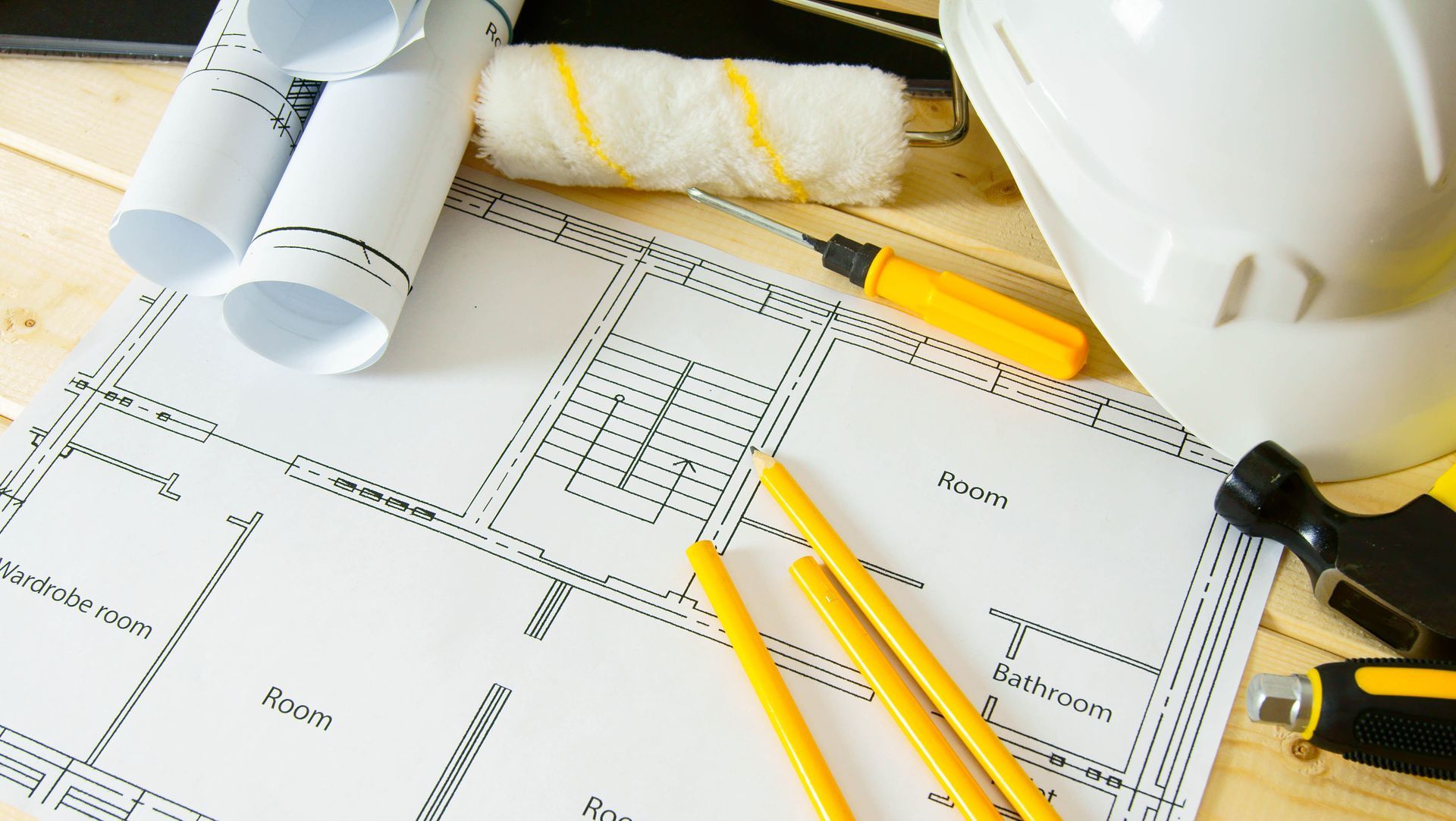
Detailed planning and architectural design form the backbone of any successful custom home project. This initial phase involves translating your vision into concrete plans, which requires close collaboration with architects and designers. Architects will draft blueprints and designs that align with your lifestyle needs and aesthetic preferences. During this time, it's crucial to consider future-proofing aspects like sustainability and technological integration in your designs. Planning thoughtfully at this stage ensures the resulting home will be both functional and beautiful, avoiding costly changes down the road.
The intricacy of the design itself directly influences the building timeline. Complex designs typically require additional time during planning and may take longer to execute in practice. Flexibility during this phase can significantly mitigate potential delays. As the scope becomes clearer, this framework sets the stage for an organized project, streamlining subsequent operations. Since this is the phase where imagination amalgamates with pragmatism, investing time here can profoundly affect project outcomes.
According to Eye On Housing, the market share of custom home building is almost 20% of total single-family starts. This percentage indicates a growing trend toward personalized living spaces, highlighting the importance of meticulous planning. This rising popularity suggests that more homeowners appreciate the value of bespoke details tailored to their lifestyles. As such, the planning and design stage is crucial in differentiating a custom home from more standard construction projects. A focus on tailored design ensures that each home is unique and fits the client's specific desires and requirements.
Architectural Approvals and Permits
Navigating the maze of regulatory compliance is a significant step in the pre-construction phase. Securing the necessary permits and approvals can be a daunting task that varies widely by location and complexity of the project. Each jurisdiction has its own set of regulations regarding everything from environmental considerations to zoning laws. Homeowners need to collaborate closely with their architects and local authorities to ensure all legal requirements are met before breaking ground. Failure to adequately meet these regulations can lead to costly delays and legal challenges, underscoring the importance of thorough and proactive engagement.
The timeline for obtaining permits can be unpredictable, often stretching longer than anticipated. This stage involves multiple steps, including reviewing local building codes, submitting applications, and undergoing reviews. Delays may arise due to discrepancies or misaligned expectations with reviewing bodies. Being aware of these possibilities and planning accordingly helps set realistic timelines for project commencement. Establishing a rapport with local officials can also ease this process, facilitating quicker communication and resolution of issues as they arise.
Site Preparation
The site preparation phase is where construction truly begins, setting the stage for the future home. Before any building can commence, the land must be cleared and prepared for construction activities. Tasks involved typically include removing existing structures, grading the land, and installing access roads. These essential steps ensure a stable foundation for the home and the utilities that support it. Despite its importance, site preparation can often be overlooked during planning phases, resulting in unexpected delays if not properly accounted for.
Site preparation varies significantly depending on the location and initial condition of the land. For instance, land with uneven terrain or existing structures requires more comprehensive work, affecting timelines and budgets. Coordination with local utility companies is often required to install essential infrastructure like water, gas, and electricity lines. Properly anticipating these steps ensures a seamless transition into the subsequent phases of construction. It's a critical time to re-evaluate and confirm all site-specific requirements and constraints have been addressed to prevent disruptions later in the project.
Unlike other phases, site preparation is highly subject to environmental and weather conditions. Rain or adverse weather conditions can delay work for days, if not weeks, potentially impacting overall project timelines. Having a flexible plan can help mitigate these risks, allowing for timely project adjustments as needed. Regular communication with the construction team is crucial during this time to monitor progress and address arising challenges swiftly. Site preparation is ultimately an investment into the overall integrity of the home, ensuring all starts on stable and secure ground.
Excavation and Foundation Work
Foundation Types and Duration
The foundation of a custom home is its most critical structural element, dictating stability and longevity. Different types of foundations influence both the final structure and the project's timeline. Common foundation options include slab on grade, basement, or crawl spaces, each with its own set of advantages and challenges. The type of foundation can significantly impact the overall timeline due to varying labor and material requirements. Therefore, choosing the appropriate foundation type is not only a structural decision but a strategic one that reflects architectural needs and site conditions.
A slab-on-grade foundation typically offers quicker installation compared to basements, providing a cost-effective option where applicable. However, customization of basement foundations can offer additional living space or storage, appealing to specific homeowner preferences. These decisions must align with budget constraints, timelines, and the intended purpose of the home. As excavation focuses on preparing the ground, each foundation choice can complement or challenge the initial groundwork, influencing construction workflows. A strategic approach to foundation selection aligns future construction with both vision and practicality, creating harmonious transitions between phases.
Weather conditions can exacerbate challenges during the foundation phase just as during excavation. Cold climates pose risks such as frost penetration, and rainy conditions can lead to soggy terrains unfit for laying down key elements. Proper timing and flexibility in scheduling foundation work can mitigate these risks, ensuring efficient continuation of the build. The project timeline must contain a buffer to manage weather-induced delays effectively without incurring excessive costs. Investing time in selecting and installing a suitable, high-quality foundation delivers lasting benefits and enhances the structural integrity of the entire building.
Inspections and Approvals
Inspections are vital checkpoints ensuring construction adheres to established structural standards and codes. During crucial phases such as foundation work, inspections confirm that all performed work complies with local regulations and safety protocols. Often conducted by municipal authorities, they serve as critical junctures where foundational installations must meet precise criteria before advancing. While necessary for ensuring integrity and safety, these inspections can often cause delays pending approval. Timely scheduling and an informed understanding of inspection criteria help expedite this process, aligning progress with timelines.
Preparation for inspections involves ensuring all work complies with initial plans, permits, and blueprints, avoiding discrepancies that might necessitate revisions. Clarifying expectations with inspectors and maintaining open lines of communication facilitate smoother approval processes. Delays stemming from failed inspections highlight the importance of precision and diligence during foundational phases. Incorporating quality checks and balances throughout construction ensures adherence to specified guidelines, mitigating potential setbacks encountered during inspections. Clear documentation and conscientious record-keeping underpin smooth navigation of this phase, minimizing the risk of hallmarking incomplete work stages for re-inspection.
Inspections can also offer invaluable insights, identifying opportunities for iterative improvement and enhancements. By leveraging feedback from inspectors, the construction team can refine processes, leading to improvements in both quality and efficiency. Particularly for first-time custom homeowners, understanding the inspection process provides assurance and transparency, informing each stage in the context of industry standards and regulations. Building a foundation of trust among inspectors, construction crews, and homeowners fosters a collaborative environment, propelling progress and success. Incorporating inspections into the construction timeline maintains a proactive approach to quality control, setting a clear path toward project goals and expectations.
If you're looking for custom home builders who understand the importance of the pre-construction and design stages, reach out to Pinsonneault Builders today to learn more about our dependable home building services.




Share On: