Common Mistakes to Avoid When Building a Custom Home
Designing a home gives property owners control over their living environment. From selecting floor plans to picking interior finishes, constructing a tailored residence allows families to create a space that fits their daily habits. However, navigating the construction process without proper preparation can quickly lead to budget overruns, unnecessary delays, and frustrating setbacks. Understanding how to manage custom home building effectively keeps your project on track from initial site clearing to move-in day.
Planning Financial Budgets Carefully
One of the most frequent missteps in custom home building involves underestimating overall expenses. Prospective homeowners often focus on base construction estimates while forgetting secondary expenses like site excavation, utility connections, and interior furnishings. Failing to account for these items creates financial strain before the structure is finished.
Establishing a comprehensive budget early creates a realistic financial roadmap, keeping your construction goals aligned with available funds.
Maintaining Emergency Reserve Funds
Unexpected challenges frequently arise during construction projects. Unfavorable weather or minor material price shifts can alter project costs without warning. Omitting a contingency buffer leaves your primary budget vulnerable when unexpected expenses occur.
Establishing an emergency reserve fund helps absorb financial surprises. Having a financial cushion keeps construction moving forward without forcing you to compromise on essential design features.
Securing Appropriate Mortgage Options
Securing construction financing requires coordination with lenders. Construction loans operate differently than standard mortgages, often requiring specific disbursement schedules. Failing to explore loan options early can delay site clearing.
Working with lenders early ensures that you select financing structures that match your timeline. Factoring property taxes and insurance into your long-term plan ensures comfortable living long after construction finishes.
Selecting Suitable Property Locations
The lot you select establishes the foundation for your daily lifestyle and future property value. Choosing a site based solely on visual charm can lead to regret if the area changes over time. Failing to research municipal developments can impact long-term value.
Investigating local master plans helps you understand upcoming road expansions or commercial zones. Selecting property in a stable community protects your long-term equity.
Calculating Everyday Driving Distances
Underestimating daily driving routines turns a beautiful residence into a source of inconvenience. Homeowners sometimes prioritize scenic views over easy access to workplaces and schools. Spending hours in traffic diminishes the joy of living in a new space.
Testing commute routes during peak traffic hours provides a realistic picture of daily travel times. Ensuring your property connects conveniently to major roadways saves valuable personal time.
Reviewing Municipal Zoning Rules
Every municipality enforces specific zoning ordinances and setback requirements. Purchasing land without verifying local regulations can limit where your home can sit on the property. Additionally, homeowner association guidelines may restrict exterior colors, roofing materials, or outbuildings.
Reviewing land surveys and municipal zoning codes before closing on a lot prevents costly legal obstacles. Knowing property boundaries ensures your structural design complies with local rules from day one.
Structuring Thoughtful Architectural Designs
Focusing heavily on fleeting design trends rather than practical functionality is a common oversight. While trendy features look appealing in magazines, they may not suit your family's routine. Room layouts should support smooth foot traffic and practical storage.
Planning functional floor plans ensures your home remains comfortable as your family grows and daily needs evolve. Tailoring layout designs around how you actually live creates a functional environment that stands the test of time.
Maximizing Interior Room Dimensions
Failing to optimize interior square footage often results in spaces that feel cramped. Disregarding storage needs or furniture placement can make generous floor plans feel inefficient. Every area inside the residence should serve a clear purpose.
Collaborating with skilled design teams helps optimize room transitions and maximize storage. Thoughtful spatial planning creates balanced rooms without wasting building materials or budget.
Preparing Plans Thoroughly Before Construction
Making major design changes after framing begins creates substantial timeline delays. Altering wall placements or moving plumbing lines mid-project requires extra labor and material tear-outs.
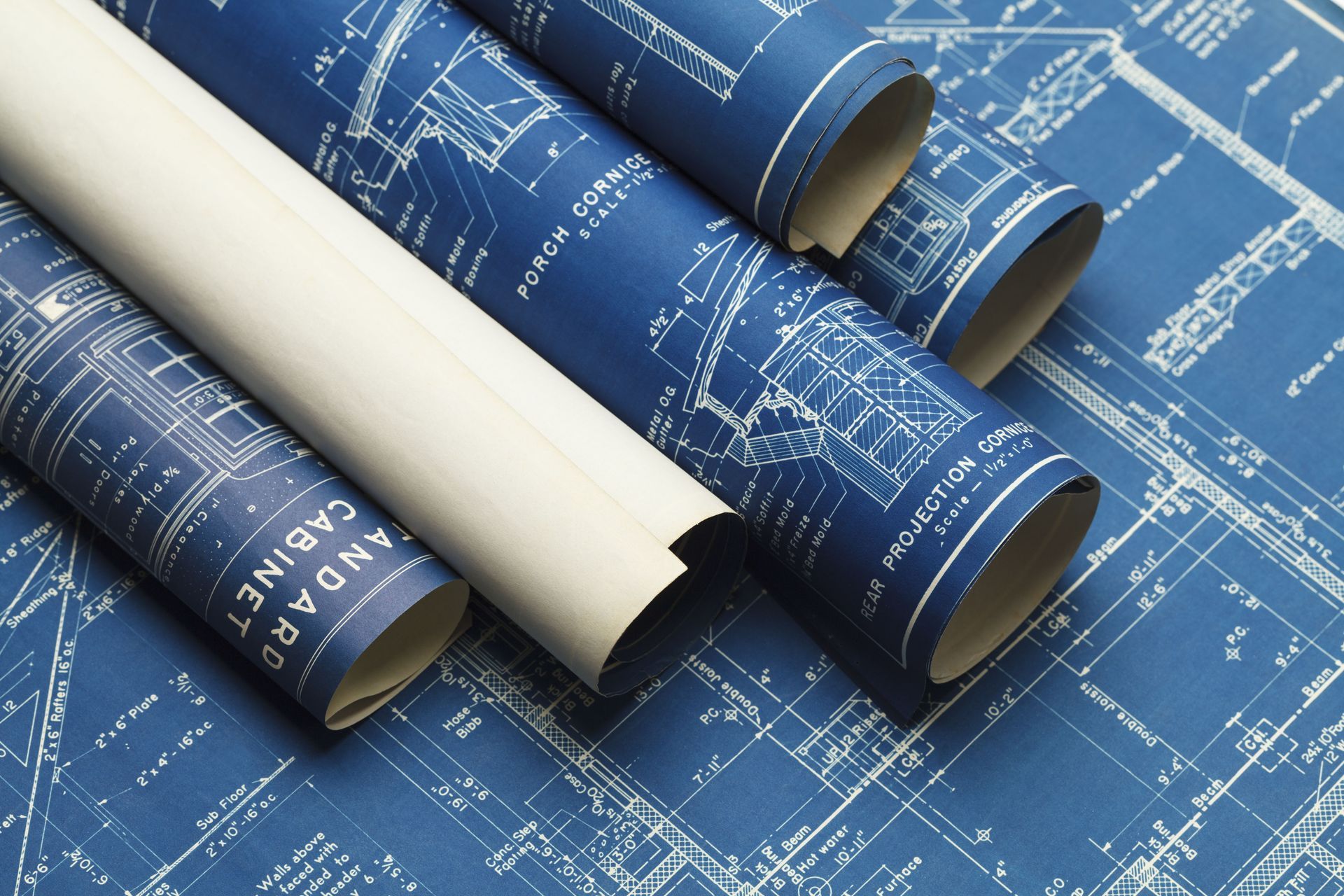
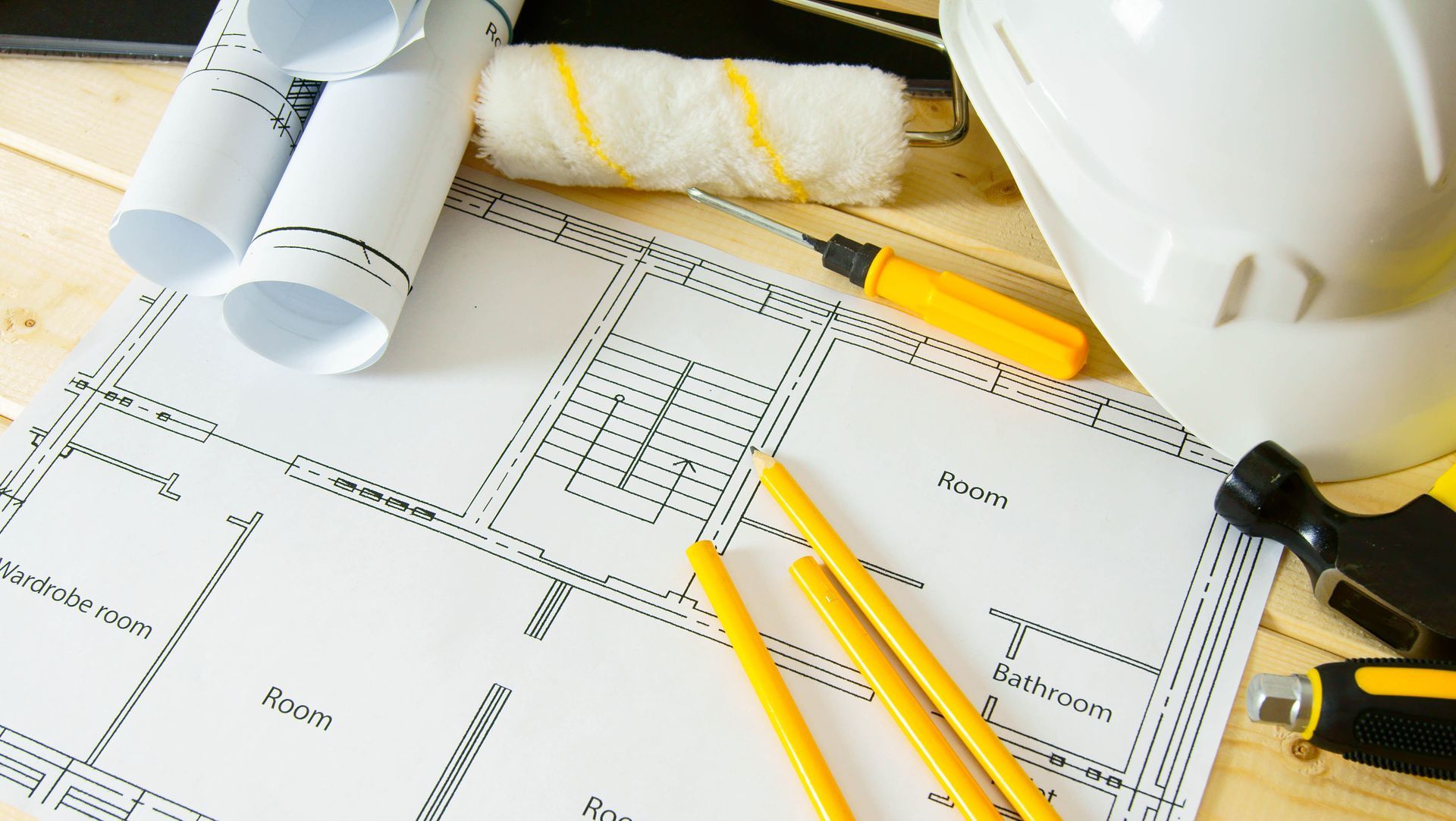
Finalizing floor plans, electrical layouts, and window placements during the preliminary design phase prevents mid-construction revisions. Clear blueprint preparation keeps construction crews working efficiently without structural pauses.
Maintaining Clear Contractor Communication
Inadequate communication between property owners and construction teams can create misunderstandings regarding material choices. Failing to designate clear project leads often results in mixed messages on the job site.
Establishing a primary point of contact streamlines daily updates and ensures consistent decision-making. Open conversations keep everyone aligned on project goals, timeline milestones, and design expectations.
Documenting Project Details in Writing
Relying on verbal agreements during construction can lead to confusion regarding scope changes. Unwritten modifications make tracking budget shifts and project timelines difficult for both parties.
Maintaining written records of change orders, material selections, and project schedules provides clarity throughout custom home building. Written documentation ensures that every detail aligns with your original agreement, protecting all parties involved.
Reviewing Progress Milestones Regularly
Infrequent job site visits can allow minor misunderstandings to go unnoticed until corrections become difficult. Staying disengaged leaves property owners out of the loop regarding daily progress.
Scheduling regular walk-throughs with your builder allows you to review progress and address questions promptly. Consistent engagement ensures your home develops as envisioned.
Selecting Durable Building Materials
Cutting corners on structural materials to shave upfront costs leads to higher maintenance expenses later. Low-grade roofing, inferior siding, or budget plumbing fixtures wear out quickly.
Investing in high-quality exterior siding, durable roofing, and solid framing materials yields long-term savings. Choosing durable components protects your structure against weather wear.
Employing Experienced Trade Professionals
Great building materials require skilled installation to perform properly. Underestimating the importance of experienced craftsmanship can result in crooked trim work, improper seals, or uneven flooring. Experienced tradespeople notice subtle site challenges early and adapt techniques to protect your investment.
Partnering with established building professionals ensures that construction meets strict quality standards. Skilled craftspeople bring precision to complex architectural features. Their hands-on expertise ensures that every structural detail stands up to daily family life over time.
Managing Project Timelines Effectively
Custom home building requires patience, as weather shifts, material lead times, and municipal inspections influence project schedules. According to Realtor, timelines for constructing a custom home can range from three months for a straightforward property to 30 months for a large 7,500-square-foot residence.
Building realistic timeline buffers into your schedule accounts for seasonal rain, winter freezes, or supply chain shifts. Anticipating potential delays helps you maintain flexibility.
Navigating Permit Approvals Patiently
Rushing through municipal permit applications or skipping required inspection steps can halt construction entirely. Building departments inspect foundation work, framing, and plumbing before granting occupancy permits.
Allowing adequate time for official reviews and building inspections keeps your project compliant. Following local building protocols guarantees a structurally sound residence.
Embarking on custom home building brings your unique lifestyle vision to life when approached with careful planning and clear communication. By avoiding common mistakes in budgeting, site selection, design, and scheduling, you can enjoy a rewarding building experience. Working with dedicated professionals ensures that your custom home building project proceeds smoothly.
When you feel ready to turn your floor plans into a masterfully constructed residence, working with knowledgeable local craftspeople makes all the difference. The team at Pinsonneault Builders delivers exceptional craftsmanship, transparent communication, and meticulous attention to detail on every custom project. To discuss your vision and begin your journey, contact Pinsonneault Builders today.



Share On: