
6 Decisions That Define the Success of a Custom Home
Creating a custom residence is an opportunity to shape every detail around your lifestyle, preferences, and long-term goals. Yet the success of that vision depends on a series of intentional decisions made early and carried through every phase of construction. From selecting the right property to hiring a qualified custom home building contractor, each choice influences how smoothly the process unfolds and how well the finished home performs over time.
1. Select the Ideal Location
Choosing where to build is the first defining step in a successful custom project. The right setting supports your daily routine, long-term plans, and overall quality of life. Proximity to workplaces, schools, healthcare, and recreation all shape how functional and enjoyable your home will be. A skilled custom home building contractor can also help you evaluate whether a property aligns with your architectural goals and construction requirements.
Beyond convenience, it is essential to review zoning regulations and community guidelines. Local rules determine what can be built, how structures are positioned, and whether future developments may affect your privacy or property value. Understanding these factors before breaking ground prevents delays and costly redesigns later in the process.
Lot characteristics also deserve careful consideration. Topography, soil conditions, drainage, and access to utilities all influence design possibilities and construction complexity. Selecting a site that naturally supports your vision reduces the need for extensive modifications and allows your builder to execute the build more efficiently.
2. Define the Architectural Vision
A cohesive architectural vision gives your home lasting character and purpose. Whether you prefer clean contemporary lines or classic traditional elements, the design should reflect your personal style while complementing the surrounding environment. Working closely with a custom home building contractor during this stage ensures your aesthetic preferences remain feasible within your budget and structural requirements.
Balancing timeless design with modern features is another important consideration. Trends may offer visual appeal, but enduring materials and classic proportions typically retain value and functionality over time. Thoughtful integration of innovative features—such as energy-efficient windows or sustainable materials—can enhance both performance and visual impact without sacrificing longevity. Working closely with an experienced design team helps ensure these elements are incorporated in a way that feels cohesive rather than trend-driven.
Climate should also inform design decisions. Roofing systems, insulation levels, window placement, and exterior materials must respond to local weather patterns. According to HomeAdvisor, the typical construction timeline for a new house ranges from four to 12 months, and weather conditions can meaningfully affect that schedule. Designing with climate in mind helps your builder maintain efficiency while protecting the home’s durability and comfort.
3. Assemble the Right Team
Behind every successful custom build is a coordinated and experienced team. Architects, designers, engineers, and builders must collaborate seamlessly to translate ideas into reality. Selecting a reputable custom home building contractor early establishes a clear point of leadership and accountability throughout the project.
An architect refines your vision into detailed plans, while interior designers shape the flow, finishes, and atmosphere of interior spaces. Landscape professionals further enhance curb appeal and outdoor functionality. When these experts communicate effectively, the result is a cohesive home where structural elements and aesthetic details align naturally. This collaborative approach also helps anticipate potential challenges early, reducing costly revisions and keeping the project on schedule.
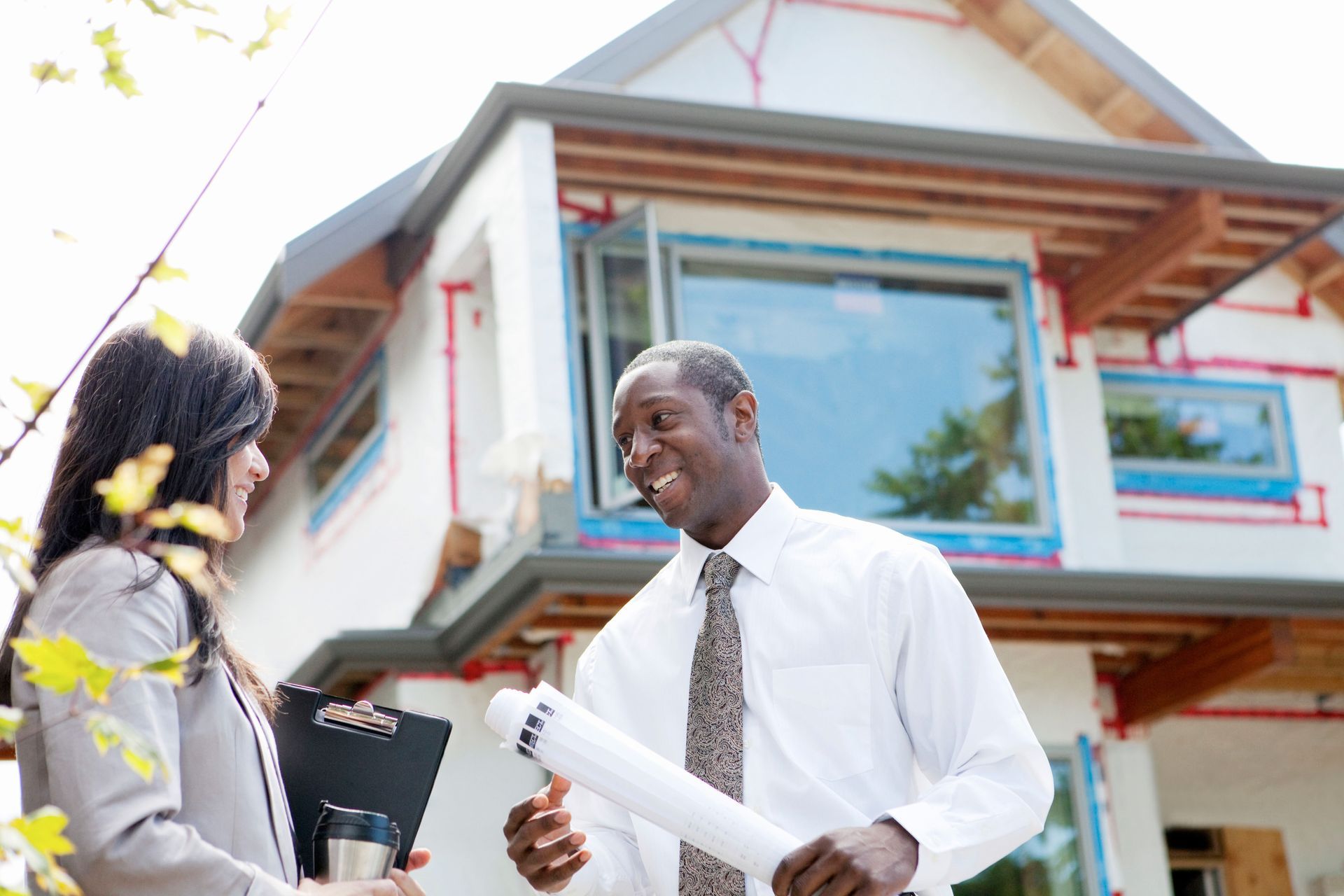
Clear communication and defined expectations are essential. Establishing a realistic budget, outlining timelines, and maintaining regular progress meetings help prevent misunderstandings. A proactive custom home building contractor coordinates these moving parts, addresses challenges promptly, and keeps the project aligned with your goals from groundbreaking to final walkthrough.
4. Integrate Smart Technology Thoughtfully
Modern homes increasingly incorporate technology that enhances convenience, efficiency, and security. Integrating these systems during the design phase is far easier than retrofitting them later, as it allows infrastructure to be concealed within walls and ceilings without disruption. Lighting controls, climate automation, security monitoring, motorized window treatments, and whole-home audio systems should all be mapped out early. Coordinating these features with your custom home building contractor ensures proper wiring pathways, panel capacity, and connectivity hubs are installed from the outset. Early planning also provides the opportunity to create dedicated equipment spaces that keep components organized and accessible for maintenance.
Energy efficiency remains a top priority for many homeowners seeking long-term performance and comfort. Smart thermostats can learn household patterns and automatically adjust temperatures, while occupancy sensors reduce unnecessary lighting usage. High-performance appliances, integrated energy monitoring systems, and advanced insulation strategies work together to lower utility consumption without sacrificing convenience. By selecting adaptable platforms that support updates and expansions, you position your home to accommodate emerging technologies. A forward-thinking custom home building contractor can recommend scalable solutions that align with both your sustainability goals and evolving lifestyle needs.
User experience also matters. Technology should simplify daily life rather than complicate it with multiple disconnected apps and controls. Intuitive interfaces, centralized dashboards, and voice-enabled systems help ensure every feature is easy to manage from a single point of access. Consistency across devices enhances usability and reduces frustration for household members and guests alike. A knowledgeable builder can coordinate with technology specialists to test integrations thoroughly, confirm network reliability, and provide guidance on system operation, delivering a seamless and dependable smart home environment.
5. Prioritize Quality Materials
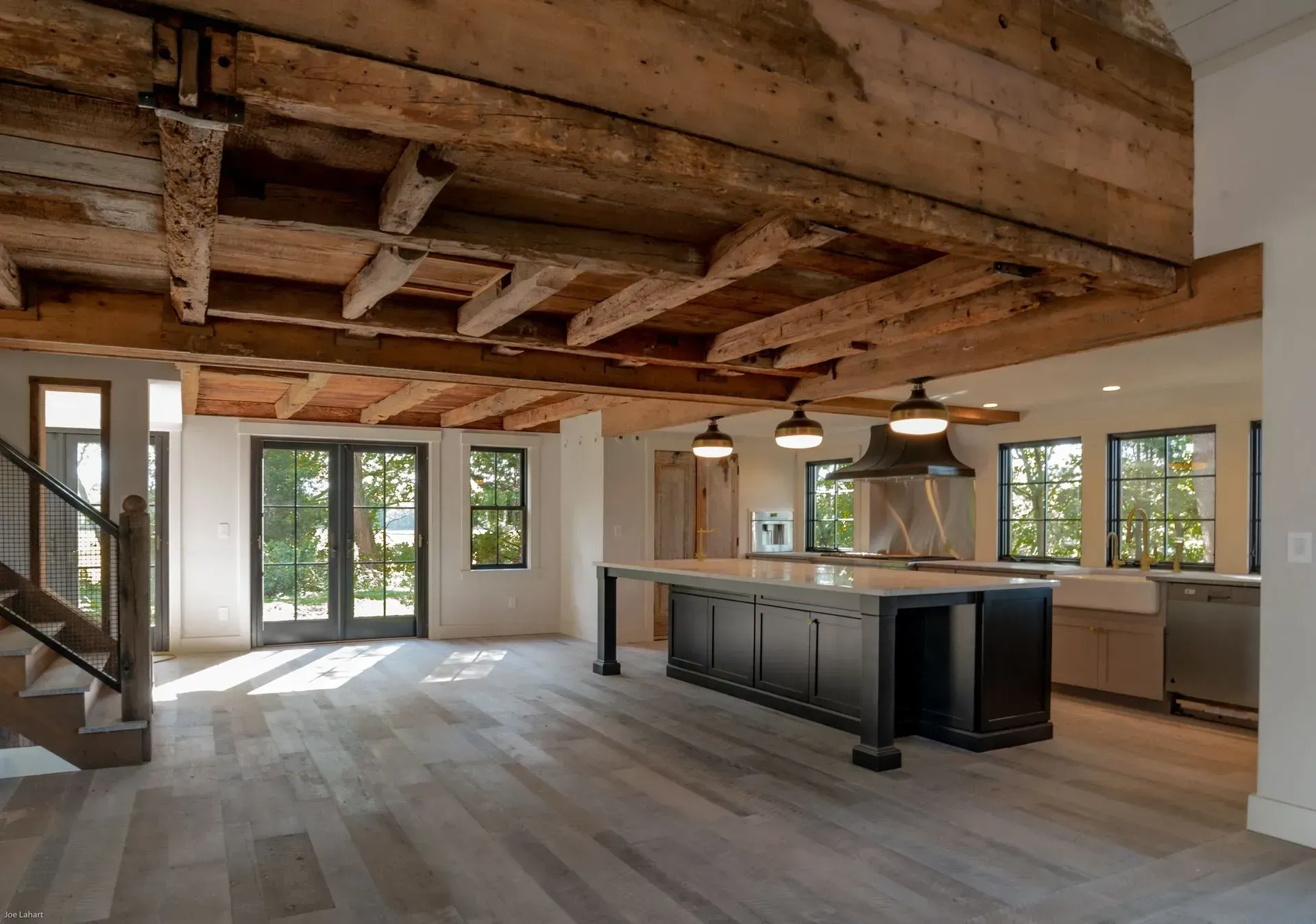
Material selection significantly influences the longevity and appearance of your home. While budget considerations are important, choosing durable and well-crafted materials often reduces maintenance and replacement costs over time. Flooring, roofing, cabinetry, and exterior finishes should all meet high standards for performance and resilience.
Sustainability is another key factor in modern construction. Responsibly sourced materials, energy-efficient products, and environmentally conscious building practices reduce environmental impact while enhancing long-term value. Discussing these priorities with your builder allows you to align material choices with both ethical considerations and performance goals.
Consistency in craftsmanship ensures that quality materials achieve their full potential. Routine inspections and strong project oversight maintain standards at every stage. By prioritizing workmanship alongside materials, you protect your investment and create a home built to endure for generations.
6. Plan for Long-Term Value
Even if you intend to remain in your home indefinitely, considering future resale value is a strategic move. Flexible layouts, functional storage solutions, and adaptable living spaces broaden long-term appeal. A thoughtful floor plan designed with guidance from a custom home building contractor can accommodate changing needs without extensive renovations.
Neutral palettes and balanced design choices also support marketability. While personalization is part of the custom experience, overly specific features may limit appeal. Striking a balance allows your home to feel uniquely yours while remaining attractive to potential buyers.
Above all, quality construction safeguards long-term value. Structural integrity, precise installation, and careful attention to detail reinforce the home’s durability. A dependable builder ensures that each component contributes to both immediate comfort and lasting equity.
Building a custom residence is a significant undertaking shaped by deliberate and informed decisions. From choosing the right location and defining a cohesive design to selecting materials and planning for the future, each step influences the final outcome. By partnering with an experienced custom home building contractor and approaching every phase strategically, you create a home that reflects your vision while delivering enduring performance. If you are ready to begin your journey, we invite you to connect with us at Pinsonneault Builders. Let's bring your custom home vision to life together.

Share On: